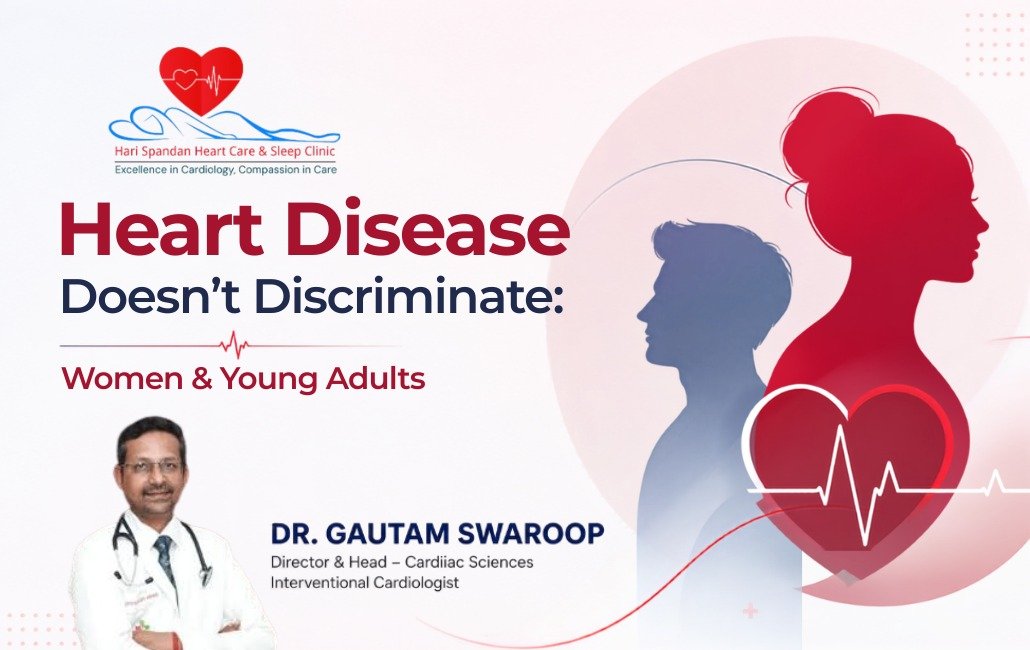
Heart Disease Doesn’t Discriminate: Breaking the Dangerous Myths of Cardiovascular Health
Quick Answer: Who is Truly at Risk for Heart Disease?
First, heart disease is definitely not just an older man’s problem. Specifically, it remains the leading cause of death for women globally today. Consequently, it kills more women than all combined forms of cancer. Furthermore, dangerous atherosclerosis frequently begins quietly in your 30s and 40s. Therefore, proactive screening remains absolutely essential for every single adult. Ultimately, early lifestyle changes prevent catastrophic cardiovascular emergencies completely.
Introduction
First, pop culture paints a highly misleading picture of cardiovascular disease. Specifically, people imagine an older, overweight man clutching his chest in pain. Consequently, this outdated narrative endangers millions of younger adults and women globally. Therefore, Harispandan Clinic sees a highly concerning shift in patient demographics today.
Furthermore, the silent buildup of arterial plaque begins during your busy 30s. Next, heart disease does not care about your gender or age entirely. Consequently, you must take proactive steps to protect your heart immediately. Ultimately, rewriting this dangerous medical narrative saves countless human lives daily.
Table of Contents
- The Silent Threat: Heart Disease in Women
- Why Women’s Heart Attack Symptoms Are Often Missed
- Men vs. Women: Heart Attack Symptoms Comparison
- The Early Start: Arterial Plaque in Your 30s and 40s
- Modern Risk Factors for Young Adults
- How to Take Control of Your Heart Health Early
- Frequently Asked Questions
- Secure Your Heart’s Future at Harispandan Clinic
The Silent Threat: Heart Disease in Women
First, heart disease is overwhelmingly the number one killer of women. Specifically, medical research historically focused entirely on middle-aged men instead. Consequently, public awareness campaigns ignored female physiology completely for decades. Therefore, doctors often misdiagnosed women or dismissed their severe symptoms as anxiety.
Furthermore, hormonal shifts during menopause increase a woman’s cardiovascular risk drastically. Next, dropping estrogen levels leave the delicate cardiovascular system highly vulnerable. Consequently, preventative cardiac care remains absolutely vital for all women today. Ultimately, recognizing this massive threat empowers women to demand proper medical testing.
Why Women’s Heart Attack Symptoms Are Often Missed
First, men often experience the classic Hollywood heart attack physically. Specifically, they feel a sudden, crushing pain in their chest’s center. Consequently, the severe pain radiates down their left arm very noticeably. Therefore, men recognize these terrifying warning signs almost instantly during emergencies.
Furthermore, women experience highly subtle and diffuse symptoms very often. Next, they mistake these dangerous symptoms for the flu or simple exhaustion. Consequently, women delay seeking vital emergency medical care significantly longer. Ultimately, this tragic delay leads to severe, permanent heart muscle damage.
Men vs. Women: Heart Attack Symptoms Comparison
| Symptom Profile | Classic Symptoms (More Common in Men) | “Atypical” Symptoms (More Common in Women) |
|---|---|---|
| Chest Sensation | Crushing, elephant-on-the-chest pressure. | Mild discomfort, tightness, or a burning sensation. |
| Pain Radiation | Shooting directly down the left arm. | Aching in the jaw, neck, upper back, or shoulder blades. |
| Energy Levels | Sudden weakness during the actual event. | Profound, unexplained fatigue lasting for days prior. |
| Stomach Issues | Occasional mild nausea. | Severe indigestion, nausea, or active vomiting. |
| Breathing | Shortness of breath accompanied by chest pain. | Sudden breathlessness completely without any chest pain. |
The Early Start: Arterial Plaque in Your 30s and 40s
First, you might feel completely invincible in your vibrant 30s today. Specifically, the biological foundation for a heart attack starts incredibly early. Consequently, doctors call this silent biological process atherosclerosis medically today. Therefore, high blood pressure damages the delicate inner lining of your vessels.
Furthermore, cholesterol and cellular waste stick to these damaged artery walls constantly. Next, this hard, waxy plaque blocks your vital arteries completely over time. Consequently, this buildup remains incredibly slow and completely silent physically. Ultimately, severe breathlessness indicates your arteries are already significantly blocked.
Modern Risk Factors for Young Adults
First, modern lifestyles create a perfect storm for early plaque development.
- Specifically, chronic stress keeps dangerous cortisol elevated and damages blood vessels.
- Consequently, sitting at a desk all day weakens your heart muscle significantly.
- Therefore, ultra-processed foods introduce high levels of harmful trans fats daily.
- Furthermore, vaping and smoking destroy your delicate cardiovascular system incredibly rapidly.
- Ultimately, carrying excess abdominal fat increases harmful inflammatory markers significantly today.
How to Take Control of Your Heart Health Early
First, you must never wait until you turn 50 to act proactively.
- Specifically, schedule a comprehensive blood test to know your exact lipid numbers.
- Consequently, aim for 150 minutes of moderate aerobic exercise every single week.
- Therefore, incorporate active stress-reduction techniques into your daily routine immediately.
- Furthermore, prioritize proper sleep to prevent high blood pressure and arterial plaque.
- Ultimately, women must advocate for themselves when experiencing highly unusual physical fatigue.
Frequently Asked Questions
- 1. Can a 35-year-old woman have a heart attack?
- First, yes. Specifically, untreated high blood pressure or diabetes drives this dangerous trend. Consequently, pregnancy complications like preeclampsia also increase these risks significantly.
- 2. Does pregnancy affect long-term heart health?
- First, absolutely. Specifically, gestational diabetes acts as an early stress test entirely. Consequently, it indicates a much higher risk for future cardiovascular disease.
- 3. If I feel healthy, do I still need a heart check-up?
- First, yes. Specifically, high cholesterol operates completely silently without any physical warning signs. Consequently, clinical screening remains the only way to verify arterial health.
- 4. Can arterial plaque be reversed?
- First, heavily calcified plaque requires professional medical intervention entirely. Specifically, aggressive lifestyle changes can stabilize the dangerous plaque successfully. Consequently, proper medications stop the plaque from growing any further.
Secure Your Heart’s Future at Harispandan Clinic
First, you must never wait for a terrifying medical wake-up call. Specifically, proactive care remains your absolute best defense against cardiovascular emergencies. Consequently, Harispandan Clinic believes strongly in advanced preventive cardiology today. Therefore, we offer highly advanced diagnostic screenings for every single patient.
Furthermore, we utilize comprehensive lipid profiles and detailed 2D Echocardiograms daily. Next, we detect cardiovascular risks years before they become actual medical emergencies. Consequently, you must take absolute control of your personal health narrative. Ultimately, contact our expert clinical team today to schedule your comprehensive evaluation.
This article provides educational information only for general public reading today. Specifically, it never replaces professional medical advice, clinical diagnosis, or formal medical treatment. Always consult a qualified cardiologist regarding your specific cardiovascular symptoms immediately and completely. Furthermore, seek immediate emergency medical care for any severe, sudden chest pain whatsoever.