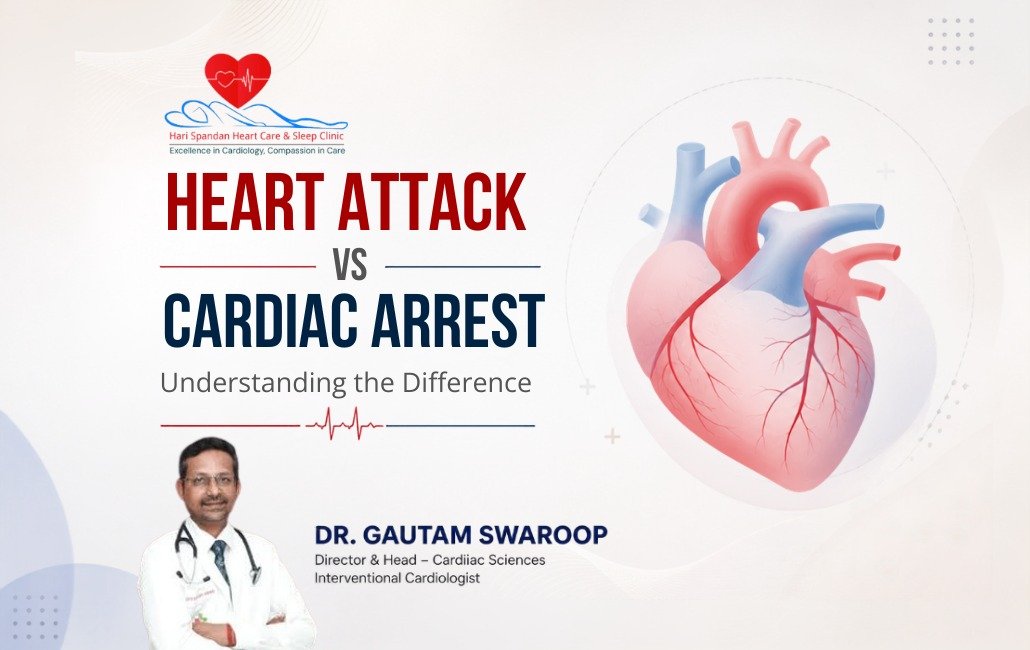
Heart Attack vs. Cardiac Arrest: Understanding the Difference
Quick Answer: What is the Main Difference?
First, a heart attack is strictly a dangerous plumbing problem. Specifically, a blocked artery stops blood flow to your heart. Consequently, a section of the heart muscle begins to die. However, the heart usually continues to beat completely normally. Furthermore, the person remains entirely conscious and highly alert.
Conversely, a cardiac arrest is an absolute electrical problem. Specifically, a sudden internal malfunction causes the heart to stop entirely. Consequently, the person will immediately collapse and stop breathing completely. Therefore, they will have absolutely no detectable pulse whatsoever. Ultimately, they require immediate, aggressive physical intervention to survive.
Introduction to Cardiovascular Emergencies
First, movies and television often misrepresent severe cardiovascular emergencies constantly. Specifically, people use these two distinct terms completely interchangeably today. However, a heart attack and a cardiac arrest differ fundamentally. Consequently, they remain two entirely distinct, life-threatening medical emergencies. Therefore, understanding this crucial difference dictates your exact emergency response.
Furthermore, medical accuracy is not just about clinical terminology today. Specifically, reacting correctly to a blocked artery prevents permanent damage. Next, reacting correctly to an electrical failure prevents immediate death. Consequently, knowing exactly what to do saves countless lives daily. Ultimately, every single second counts during a severe cardiovascular crisis.
At Harispandan Clinic, we firmly believe in comprehensive patient education. Specifically, education remains our most powerful tool in emergency prevention. Consequently, we break down these complex bodily functions clearly below. Therefore, you will learn exactly how to recognize terrifying symptoms. Ultimately, you will learn how to respond aggressively and effectively.
Table of Contents
- The Plumbing Problem: What is a Heart Attack?
- The Electrical Problem: What is a Cardiac Arrest?
- The Critical Link: How They Are Connected
- Quick Comparison Chart
- Warning Signs & Symptoms
- What to Do in an Emergency
- Long-Term Prevention Strategies
- Frequently Asked Questions
- Secure Your Heart Health Today
The Plumbing Problem: What is a Heart Attack?
First, doctors call this event a myocardial infarction medically. Specifically, this represents a severe circulation and plumbing issue entirely. Your heart acts as a massive muscular pump constantly daily. Consequently, this muscle needs constant oxygen-rich blood to survive perfectly. Therefore, your coronary arteries deliver this vital blood supply continuously.
However, unhealthy lifestyle choices damage these delicate arteries over time. Specifically, dangerous cholesterol and fatty plaques build up very slowly. Consequently, these inner arterial walls become extremely narrow and stiff. Next, a piece of this hardened plaque suddenly ruptures violently. Therefore, a massive blood clot forms around this rupture instantly.
Consequently, this clot completely blocks the vital arterial blood flow. Next, that specific section of the heart muscle begins dying. Crucially, during this event, the heart normally continues to beat. Furthermore, the terrified person remains completely awake and breathing normally. Ultimately, longer blockages cause far greater permanent heart muscle damage.
The Electrical Problem: What is a Cardiac Arrest?
First, sudden cardiac arrest represents a massive electrical malfunction entirely. Specifically, your heart contains a brilliant internal pacemaker system naturally. This delicate system controls the steady rhythm of your heartbeat. Consequently, electrical signals dictate every single muscular contraction you make. However, severe internal trauma can disrupt this electrical system completely.
Therefore, the electrical system short-circuits without any prior warning whatsoever. Consequently, this triggers a highly dangerous, chaotic irregular heartbeat instantly. Doctors call this specific deadly rhythm ventricular fibrillation clinically today. Therefore, the lower chambers simply quiver chaotically instead of pumping. Consequently, the heart stops pushing blood to your brain completely.
Next, the victim instantly loses all consciousness and collapses violently. Furthermore, they will not have any detectable pulse immediately afterward. Consequently, biological death occurs within mere minutes without aggressive action. Ultimately, survival depends entirely upon immediate bystander intervention and shocks.
The Critical Link: How They Are Connected
First, these two terrifying conditions remain closely linked medically today. Specifically, a heart attack often causes a sudden cardiac arrest. Consequently, dying muscle tissue disrupts the natural electrical pathways severely. Therefore, the initial plumbing problem triggers the ultimate electrical failure. Next, patients can easily arrest while waiting for the ambulance.
However, an electrical failure can definitely happen entirely independently too. Specifically, undiagnosed genetic arrhythmias cause sudden electrical failures very often. Furthermore, severe viral infections can trigger these chaotic rhythms instantly. Next, massive drug overdoses also stop the electrical system completely. Ultimately, severe physical trauma can stop the heart from beating.
Quick Comparison Chart
| Feature | Heart Attack (Plumbing) | Cardiac Arrest (Electrical) |
|---|---|---|
| What is happening? | Artery is blocked; blood cannot reach the muscle. | Electrical system malfunctions; heart stops pumping entirely. |
| Heartbeat Status | The heart continues to beat normally. | The heart stops beating completely (no pulse). |
| Consciousness | The person is usually awake and highly alert. | The person immediately collapses and is completely unresponsive. |
| Breathing Status | The person is breathing but may feel breathless. | The person stops breathing or gasps for air. |
Warning Signs & Symptoms
First, knowing exactly what to look for dictates your response. Specifically, the warning signs differ drastically between the two emergencies. Consequently, identifying them correctly saves precious, life-saving minutes during crises.
Symptoms of a Blocked Artery
Specifically, plumbing symptoms can start slowly and persist for days. Consequently, they build gradually before reaching an absolute medical crisis. First, patients feel intense pressure or severe tightness in their chest. Next, this squeezing ache radiates to the left arm frequently. Furthermore, the severe pain travels up into the neck suddenly.
Consequently, patients break out in a cold, clammy sweat instantly. Therefore, severe nausea and indigestion mimic terrible heartburn very often. Additionally, unexplained shortness of breath terrifies the suffering patient immensely. Specifically, women often experience highly atypical warning signs every day. Ultimately, they feel extreme fatigue instead of classic chest-crushing pain.
Symptoms of an Electrical Failure
Conversely, an electrical failure strikes without any prior warning whatsoever. Specifically, the terrifying symptoms remain immediate and completely catastrophic physically. First, the victim suffers a sudden, complete physical collapse instantly. Next, they experience a total loss of consciousness right away.
Consequently, they remain completely unresponsive to aggressive shaking or shouting. Therefore, you will not find any pulse on their body. Furthermore, they stop breathing completely within a few short seconds. Next, you might hear abnormal agonal gasping noises initially afterward. Ultimately, this sounds like terrifying snoring or desperate, heavy gulping.
What to Do in an Emergency
First, your immediate physical response dictates their survival entirely today. Specifically, you must act decisively without any hesitation or fear.
If you suspect a Plumbing Problem:
First, call your local emergency medical services immediately for help. Consequently, never let the terrifying victim drive themselves to hospitals. Therefore, the medical dispatcher will guide you through the steps. Next, keep the terrified person as calm as possible physically. First, have them sit down and rest quietly right away. Consequently, this greatly reduces the severe physical strain on their heart.
Next, offer them a single adult aspirin to chew immediately. Specifically, ensure they have no severe aspirin allergies beforehand first. Consequently, chewing the aspirin thins their sticky blood very rapidly. Ultimately, this helps break up the dangerous arterial clot slightly.
If you suspect an Electrical Failure:
Specifically, every minute without CPR decreases their survival by 10%. First, call emergency services immediately and shout loudly for help. Next, start performing aggressive chest compressions instantly on the victim. Consequently, push hard and fast in the center of their chest. Therefore, aim for exactly 100 to 120 compressions every single minute.
Furthermore, do not worry about rescue breaths if completely untrained. Specifically, hands-only CPR remains highly effective for saving human lives. Next, shout for someone to find an AED immediately nearby. Consequently, turn the automated machine on and follow voice prompts. Ultimately, the machine delivers a life-saving shock to reboot their heart.
Long-Term Prevention Strategies
First, preventing these cardiovascular emergencies remains your absolute best defense. Specifically, managing your daily blood pressure reduces severe arterial damage. Consequently, you must monitor your cholesterol levels constantly and carefully. Therefore, regular physical exercise strengthens your vital heart muscle perfectly. Furthermore, you must quit smoking dangerous tobacco products immediately today. Specifically, smoking accelerates plaque buildup inside your coronary arteries rapidly.
Next, family history plays a massive role in your risk. Specifically, genetic factors influence your cholesterol and electrical pathways heavily. Consequently, you must inform your doctor about your family history. Therefore, early medical screening catches invisible cardiovascular problems incredibly quickly. Ultimately, comprehensive preventative screening stops sudden tragedies perfectly before they start.
Frequently Asked Questions
- 1. Can you survive a cardiac arrest?
- Yes, but survival depends entirely on immediate bystander physical intervention. Fast CPR restores the heart’s rhythm perfectly before paramedics arrive.
- 2. Is a stroke the same as a heart attack?
- No, doctors often call a stroke a serious brain attack. Specifically, it happens when vital blood flow to the brain stops.
- 3. Can a young person suffer an electrical failure?
- Yes, sudden electrical failures affect healthy young athletes occasionally today. Specifically, undiagnosed genetic conditions cause these sudden, catastrophic electrical failures.
- 4. Does CPR actually restart the heart?
- No, manual CPR simply pumps oxygenated blood to the brain manually. Specifically, an AED shock actually restarts the electrical system completely.
- 5. Should I perform CPR if I am unsure?
- Yes, absolutely. Specifically, doing something is always better than doing nothing entirely.
Secure Your Heart Health Today
First, the best way to survive a crisis is prevention. Specifically, high cholesterol and hypertension often hide completely without symptoms. Consequently, they build silently until a massive medical crisis occurs. Therefore, if you experience occasional chest discomfort, seek help immediately. Furthermore, early cardiovascular screening remains absolutely vital for your safety.
At Harispandan Clinic, we offer incredibly comprehensive cardiac evaluations daily. Specifically, we provide advanced ECGs, echocardiograms, and thorough stress testing. Consequently, we catch both plumbing and electrical issues incredibly early. Therefore, we protect your life before these invisible threats strike. Ultimately, schedule your preventative cardiology check-up with our expert team today.
This article provides educational information only. Specifically, it never replaces professional medical advice, diagnosis, or treatment. Always consult a qualified cardiologist regarding your specific symptoms immediately. Furthermore, seek immediate emergency medical care for severe chest pain.