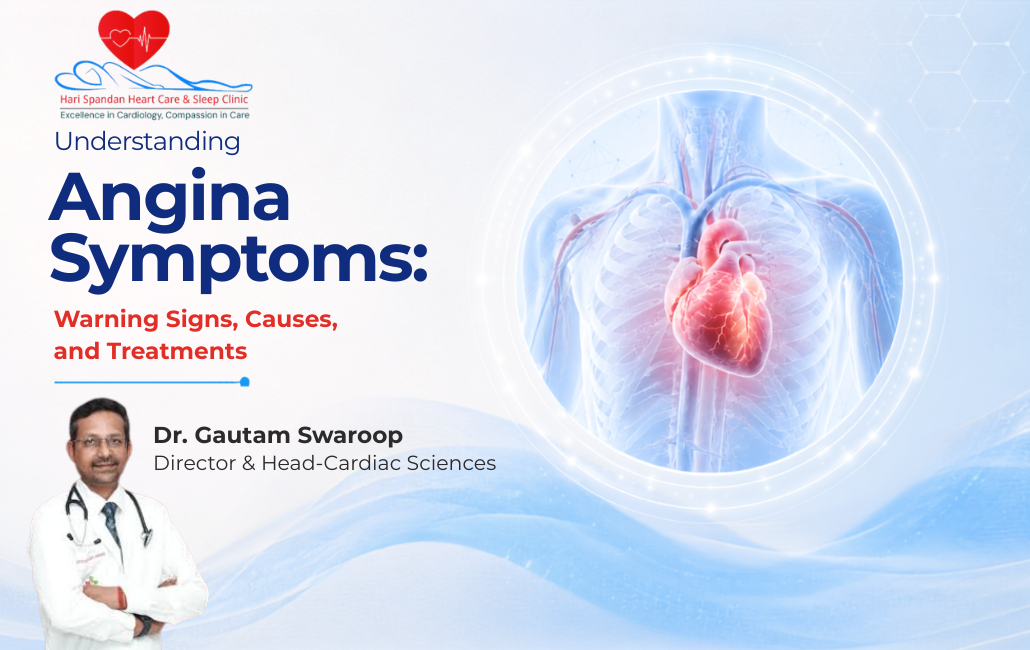
Understanding Angina Symptoms: Warning Signs, Causes, and Treatments
Quick Answer
What are the first symptoms of angina? The first symptoms of angina typically include a feeling of pressure, heaviness, tightness, or burning in the center of the chest. This discomfort often begins during physical exertion or emotional stress. The pain may also radiate to the arms, neck, jaw, shoulder, or back, accompanied by shortness of breath.
Key Takeaways: Quick Summary
- Angina is a symptom: It indicates reduced blood flow to your heart muscle.
- Not all chest pain is the same: Symptoms differ widely between men, women, and diabetic patients.
- Rest matters: Stable angina usually stops when you rest; unstable angina happens even at rest and is a medical emergency.
- Time is critical: Unexplained chest discomfort lasting longer than 15 minutes requires immediate emergency medical care.
Introduction
Experiencing chest pain can be a frightening event. Therefore, understanding specific angina symptoms is vital for protecting your long-term heart health. Angina is not a disease itself, but rather a warning sign of an underlying heart condition, typically coronary artery disease. When your heart muscle does not receive enough oxygen-rich blood, it responds with discomfort, pressure, or pain.
At Harispandan Heart Care & Sleep Clinic, we frequently see patients who ignore early chest pain symptoms, hoping they will simply go away. However, recognizing these warning signs early can prevent severe complications, including a heart attack. This comprehensive guide will explain everything you need to know about angina, how to identify its symptoms, and when to seek immediate medical attention from a heart specialist.
Table of Contents
- What Is Angina?
- Angina vs. Heart Attack
- Common Angina Symptoms You Should Not Ignore
- How Symptoms Differ by Patient Group
- Early Warning Signs of Heart Disease
- Exploring the Types of Angina
- What Causes Angina?
- Key Risk Factors for Chest Discomfort
- When Is Chest Pain an Emergency?
- Diagnosing Angina at Harispandan Clinic
- Effective Angina Treatment Options
- Lifestyle Changes for Preventive Cardiology
- Complications of Untreated Angina
- Myth vs. Fact: Angina Explained
- When Should You Visit a Heart Specialist?
- Frequently Asked Questions
What Is Angina?
Angina, medically known as angina pectoris, is a type of chest pain caused by reduced blood flow to the heart muscle. Your blood carries the oxygen your heart needs to survive and pump efficiently. When the coronary arteries—the blood vessels supplying the heart—become narrowed or blocked, your heart starves for oxygen.
This condition typically occurs when the heart works harder than usual, such as during exercise, heavy lifting, or emotional stress. Although angina is a symptom of coronary artery disease, it is crucial to differentiate it from a full myocardial infarction (heart attack).
Angina vs. Heart Attack
Understanding the difference between angina and a heart attack can save a life.
| Feature | Stable Angina | Heart Attack |
|---|---|---|
| Trigger | Physical activity or stress | Can happen at any time, even at rest |
| Duration | Usually lasts a few minutes (3 to 5 minutes) | Lasts longer than 15 minutes |
| Relief | Improves quickly with rest or medication (Nitroglycerin) | Does not improve with rest or standard angina medication |
| Heart Damage | Temporary oxygen shortage; no permanent muscle damage | Complete blockage; permanent heart muscle damage occurs |
Common Angina Symptoms You Should Not Ignore
The most recognized sign of angina is chest discomfort, but the sensation can vary significantly from person to person. People often describe angina symptoms not as sharp pain, but as an intense, localized pressure.
Common physical sensations include:
- Chest pressure: Feeling like a heavy weight or an elephant is sitting on your chest.
- Tightness: A squeezing band wrapped tightly around your ribs.
- Burning sensation: Often mistaken for severe indigestion or heartburn.
- Radiating pain: Discomfort that spreads outward from the chest into the left arm, shoulder, neck, jaw, or upper back.
In addition to chest pain symptoms, your body may exhibit secondary warning signs of heart disease, including:
- Shortness of breath: Difficulty catching your breath, even with minimal exertion.
- Sweating: Sudden, unexplained cold sweats.
- Fatigue: Extreme, sudden tiredness without an obvious cause.
- Nausea: Feeling sick to your stomach, sometimes accompanied by vomiting.
- Dizziness: Feeling lightheaded or as though you might faint.
How Symptoms Differ by Patient Group
Medical research from organizations like the American Heart Association (AHA) shows that angina does not look the same for everyone.
- Women: Women frequently experience “atypical” angina symptoms. Instead of crushing chest pressure, women may feel stabbing pain, nausea, abdominal discomfort, or intense fatigue. Furthermore, women are more likely to experience pain radiating to the neck, jaw, or back, often leading to delayed diagnosis.
- Older Adults: Seniors may not feel severe pain due to changes in pain perception as they age. Instead, their primary angina symptoms might be profound weakness, confusion, or sudden shortness of breath during routine activities.
- Diabetic Patients: Individuals with diabetes can suffer from “silent angina.” High blood sugar levels can damage the nerves over time (neuropathy), dulling the body’s pain receptors. Consequently, a diabetic patient might have severe reduced blood flow without feeling traditional chest discomfort, noticing only breathlessness or fatigue.
Early Warning Signs of Heart Disease
Many patients experience subtle warning signs weeks or months before a major cardiac event. You should pay attention to:
- A sudden drop in your stamina or exercise tolerance.
- Needing to stop and rest during activities you previously completed easily.
- Waking up in the middle of the night feeling breathless.
- Unexplained jaw or tooth ache that worsens when you walk or climb stairs.
Exploring the Types of Angina
Cardiologists classify angina into several distinct categories based on its triggers, severity, and underlying causes.
- Stable Angina: This is the most common form. Stable angina follows a predictable pattern. It typically occurs when you exert yourself—like walking up a hill in cold weather—and forces your heart to demand more oxygen. The symptoms are consistent, usually last only a few minutes, and fade away completely when you rest or take prescribed angina medicine.
- Unstable Angina: Unstable angina is highly dangerous and unpredictable. It can strike when you are resting or sleeping. The chest pain is typically more severe, lasts longer, and does not go away with rest or standard medications. Unstable angina indicates that a blood clot is actively blocking an artery, signaling an impending heart attack. This is an absolute medical emergency.
- Variant (Prinzmetal) Angina: Unlike other types, variant angina is not caused by permanent plaque buildup. Instead, it is caused by a sudden spasm in a coronary artery, which temporarily restricts blood flow. It frequently occurs late at night or early in the morning while resting. These spasms are very painful but can be treated effectively with specific medications.
- Microvascular Angina: This type affects the smallest coronary blood vessels branching off your main arteries. While the major arteries may look clear on a scan, these tiny vessels fail to function properly. The chest pain from microvascular angina can be more severe and last longer than stable angina, often accompanied by sleep problems and lack of energy.
What Causes Angina?
The primary cause of angina is coronary artery disease (CAD). Over many years, fatty deposits called plaques build up on the inner walls of the arteries supplying the heart. This process is known as atherosclerosis.
As these plaques grow, they narrow the arteries, acting like a kink in a garden hose. When you are resting, your heart may get enough blood squeezing past the blockage. However, when your heart rate increases, the narrowed arteries simply cannot deliver enough oxygen-rich blood, triggering angina symptoms.
Key Risk Factors for Chest Discomfort
Several lifestyle and genetic factors accelerate plaque buildup and increase your risk of developing angina.
- Smoking: Tobacco smoke damages the interior lining of blood vessels, allowing cholesterol to deposit faster.
- Diabetes: Both Type 1 and Type 2 diabetes increase the risk of severe coronary artery disease.
- High Blood Pressure (Hypertension): Chronically high pressure hardens and stiffens the arteries.
- High Cholesterol: High levels of LDL (bad) cholesterol and triglycerides directly form arterial plaques.
- Obesity: Carrying excess weight forces the heart to work much harder to supply blood to the body.
- Sedentary Lifestyle: A lack of physical activity weakens the cardiovascular system.
- Stress: Chronic stress increases heart rate and blood pressure, and can trigger arterial spasms.
- Family History: A genetic history of early heart disease significantly elevates your personal risk.
When Is Chest Pain an Emergency?
Not all chest pain requires an ambulance, but you must never ignore it. Call emergency medical services immediately if you experience:
- Chest discomfort that lasts longer than 10 to 15 minutes.
- Pain that occurs while you are resting and does not go away.
- Chest pressure accompanied by sudden, severe shortness of breath.
- Pain spreading rapidly down your left arm or up into your jaw.
- Chest pain paired with cold sweats, dizziness, or vomiting.
Do not drive yourself to the hospital if you suspect an emergency heart symptom. An ambulance crew can begin life-saving treatment immediately upon arrival.
Diagnosing Angina at Harispandan Clinic
To accurately identify the cause of your chest pain symptoms, our heart specialists at Harispandan Clinic utilize advanced diagnostic tools. A precise angina diagnosis dictates the safest and most effective treatment plan.
First, your cardiologist will take a detailed medical history and perform a physical examination. Following this, several tests may be ordered:
- Electrocardiogram (ECG): A quick, painless test that records the electrical signals in your heart. It can show if your heart is beating too fast, too slow, or if you have had a past heart attack.
- Echocardiogram: An ultrasound of your heart. Sound waves create moving images that allow the doctor to see how well your heart muscle pumps blood.
- Stress Test: Because angina often occurs during exertion, this test monitors your heart while you walk on a treadmill. If you cannot exercise, medication is used to simulate the effects of exercise on the heart.
- CT Coronary Angiography: A specialized CT scan that uses dye to look for calcium deposits and blockages inside your coronary arteries.
- Coronary Angiography: A minimally invasive procedure where a thin tube (catheter) is threaded to your heart. Dye is injected to clearly map out the exact location and severity of any blockages.
- Blood Tests: To check for specific heart enzymes that leak into your blood if heart muscle is damaged, and to measure cholesterol and blood sugar levels.
Effective Angina Treatment Options
The goals of angina treatment are twofold: to reduce the frequency and severity of your symptoms, and to lower your risk of a heart attack. Treatment strategies include lifestyle modifications, medications, and medical procedures.
Medications
If lifestyle changes are not enough, your doctor will prescribe medications to improve blood flow and reduce the heart’s workload.
- Nitrates: These drugs, such as nitroglycerin, relax and widen blood vessels. They are often taken as a pill under the tongue to stop an angina attack immediately.
- Aspirin: Reduces the blood’s ability to clot, helping blood flow more smoothly through narrowed arteries.
- Beta Blockers: These medications cause your heart to beat slower and with less force, reducing its demand for oxygen.
- Calcium Channel Blockers: These relax and widen blood vessels by affecting the muscle cells in arterial walls.
- Statins: Medications used to lower high blood cholesterol and stabilize the plaque lining the blood vessels.
Medical Procedures
When arteries are severely narrowed, medications alone may not suffice. A heart specialist may recommend:
- Angioplasty and Stenting: A deflated balloon is guided to the blocked artery and inflated to push the plaque outward. A tiny wire mesh tube (stent) is then left in place to keep the artery propped open.
- Coronary Artery Bypass Grafting (CABG): In this open-heart surgery, a healthy blood vessel from another part of your body is used to create a new path (bypass) around the blocked coronary artery.
Lifestyle Changes for Preventive Cardiology
Prevention is always better than cure. Following guidelines from the World Health Organization (WHO) and the European Society of Cardiology (ESC), we recommend the following lifestyle changes:
- Quit Smoking: Stopping smoking is the single most effective way to improve heart health.
- Eat a Heart-Healthy Diet: Focus on whole grains, fruits, vegetables, and lean proteins. Limit saturated fats, trans fats, and excess sodium.
- Exercise Safely: Aim for at least 150 minutes of moderate aerobic exercise per week, after getting clearance from your cardiologist.
- Manage Weight: Losing even 5-10% of your body weight can significantly reduce blood pressure and cholesterol.
- Control Underlying Conditions: Strictly manage your blood pressure, cholesterol, and blood sugar levels.
Complications of Untreated Angina
Ignoring the warning signs of heart disease is incredibly dangerous. If left untreated, the restricted blood flow that causes angina can eventually lead to a total blockage. Complications include:
- Myocardial Infarction (Heart Attack): Permanent death of heart muscle tissue.
- Heart Failure: Over time, the heart muscle weakens from lack of oxygen and can no longer pump enough blood to meet the body’s needs.
- Arrhythmias: Abnormal, irregular heartbeats that can sometimes be fatal.
Myth vs. Fact: Angina Explained
- Myth: Angina always feels like a sharp stabbing pain in the chest.
Fact: Angina is rarely sharp. It is more commonly described as a dull, heavy pressure, a squeezing sensation, or severe indigestion. - Myth: Only men get angina.
Fact: Women develop coronary artery disease and experience angina just as frequently, though their symptoms often present differently, such as nausea or back pain. - Myth: If I rest and the pain goes away, my heart is fine.
Fact: While rest relieves stable angina, the underlying blockage is still there and requires medical evaluation to prevent a future heart attack.
When Should You Visit a Heart Specialist?
If you experience any new, unexplained chest discomfort, you should schedule a visit with a preventive cardiology expert. Do not wait for the pain to become unbearable. Early diagnosis is the key to preventing permanent heart damage. If you have been previously diagnosed with stable angina but notice that your symptoms are happening more frequently, lasting longer, or occurring at rest, you must seek immediate medical attention.
Frequently Asked Questions (People Also Ask)
What are the first signs of angina?
The initial signs usually involve a feeling of pressure, tightness, or heaviness in the center of the chest. This discomfort typically arises during physical exertion or stress and subsides with rest. It may also spread to the arms, neck, or jaw.
How do angina symptoms differ from a heart attack?
Stable angina is predictable, lasts only a few minutes, and goes away when you rest or take medication. A heart attack occurs unexpectedly (often at rest), causes more severe pain that lasts longer than 15 minutes, and does not improve with rest.
Can angina go away on its own?
An individual episode of stable angina will go away within minutes of resting. However, the underlying coronary artery disease causing the angina will not resolve on its own. It requires lifestyle changes and medical treatment.
Is angina dangerous?
Yes. While stable angina itself does not damage the heart muscle, it is a critical warning sign that you have heart disease. Unstable angina is extremely dangerous and indicates an imminent risk of a heart attack.
What triggers angina?
Common triggers include physical exertion (like climbing stairs), emotional stress, exposure to extreme cold, eating heavy meals, and smoking. All these activities force the heart to demand more oxygen than narrowed arteries can supply.
Can women have different angina symptoms?
Yes. Women frequently experience atypical symptoms. Instead of chest pressure, they may feel sharp pain, shortness of breath, nausea, abdominal discomfort, or pain radiating specifically to the back, neck, or jaw.
How is angina diagnosed?
Cardiologists diagnose angina by reviewing your medical history and performing tests such as an Electrocardiogram (ECG), Echocardiogram, Stress Test, and Coronary Angiography to visualize blood flow and identify blockages.
Can angina be cured?
While coronary artery disease cannot be completely “cured,” angina can be highly managed. Through lifestyle modifications, medications, and procedures like stenting or bypass surgery, patients can live long, active, and symptom-free lives.
What foods help prevent angina?
A heart-healthy diet focuses on fruits, vegetables, whole grains, nuts, and lean proteins like fish. You should strictly avoid trans fats, limit saturated fats (like red meat and butter), and reduce salt intake to lower blood pressure.
When should I see a doctor for chest pain?
You should see a doctor for any new, unexplained chest discomfort. If your chest pain is sudden, severe, lasts longer than 15 minutes, spreads to your arms or jaw, or occurs with shortness of breath, call emergency services immediately.
Take Control of Your Heart Health Today
Understanding your angina symptoms is the first step toward a longer, healthier life. Never ignore chest discomfort or assume it is just indigestion. Your heart is sending you a message, and timely medical intervention is critical.
If you or a loved one are experiencing warning signs of heart disease, the expert cardiology team at Harispandan Heart Care & Sleep Clinic is here to help. We offer state-of-the-art diagnostic testing, personalized treatment plans, and compassionate care to protect your cardiovascular health. Don’t wait for an emergency. Book a consultation with our heart specialists at Harispandan Clinic today and take a proactive step in your preventive cardiology journey.
Medical Disclaimer: The information provided in this article is intended strictly for educational and informational purposes. It does not constitute formal medical advice, diagnosis, or treatment. Always consult a qualified physician or cardiologist regarding any questions you may have about a medical condition or cardiovascular symptoms. Never disregard professional medical advice or delay seeking it because of something you have read online.