Postural Orthostatic Tachycardia: Symptoms, Causes, Diagnosis & Treatment
Quick Answer
Postural orthostatic tachycardia (POTS) is a condition where your heart rate increases rapidly after standing up from a lying or sitting position. Specifically, autonomic nervous system dysfunction causes this syndrome, which prevents proper blood circulation. As a result, common symptoms include dizziness upon standing, rapid heart rate, lightheadedness, and extreme fatigue.
Introduction
Do you frequently experience a racing heart or a sudden wave of dizziness the moment you stand up? If standing in line or getting out of bed makes you feel faint or exhausted, you are not alone. In fact, millions of people struggle with a complex condition known as postural orthostatic tachycardia (commonly referred to as POTS).
At Hari Spandan Heart Care & Sleep Clinic, we recognize that the journey to an accurate diagnosis for autonomic dysfunction can be frustrating. Because symptoms often overlap with anxiety or general fatigue, many patients go years without proper treatment. Therefore, this comprehensive guide will explore the intricacies of postural orthostatic tachycardia, covering everything from its underlying causes and common symptoms to modern diagnostic tools and effective, long-term management strategies.
Ultimately, by understanding the mechanics of your autonomic nervous system, you can take the first step toward regaining control of your health.
Table of Contents
- What Is Postural Orthostatic Tachycardia?
- Symptoms of Postural Orthostatic Tachycardia
- Causes and Risk Factors
- How Is Postural Orthostatic Tachycardia Diagnosed?
- Treatment Options for Postural Orthostatic Tachycardia
- Postural Orthostatic Tachycardia vs Other Conditions
- Can Postural Orthostatic Tachycardia Be Prevented?
- When Should You See a Doctor?
- Living With Postural Orthostatic Tachycardia
- Key Takeaways
- Frequently Asked Questions (FAQ)
- Conclusion
What Is Postural Orthostatic Tachycardia?
Definition
Postural orthostatic tachycardia is an abnormal increase in heart rate that occurs after a person transitions from lying down to standing up. Medically speaking, doctors define it by a heart rate increase of 30 beats per minute (bpm) or more (40 bpm for those under 19 years old) within 10 minutes of standing, without a significant drop in blood pressure.
Overview of POTS
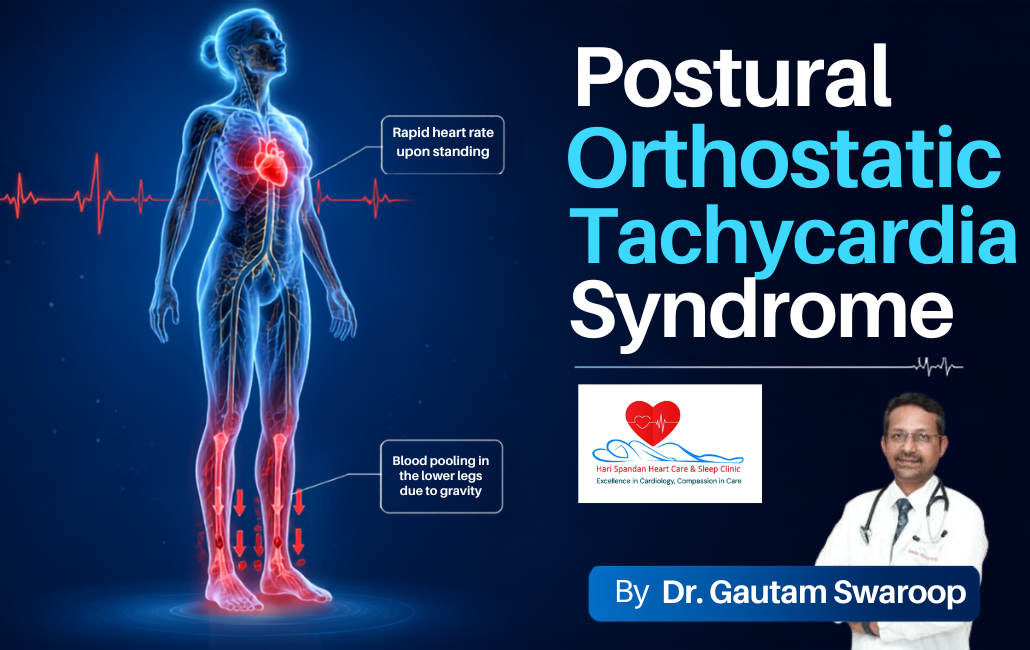
POTS syndrome is the most common form of orthostatic intolerance. To clarify, “orthostatic” refers to an upright posture, and “intolerance” means the body struggles to adapt to that position. When a healthy person stands up, gravity naturally pulls blood down into the lower body. To compensate, the body quickly narrows blood vessels and slightly increases the heart rate to maintain blood flow to the heart and brain. However, in individuals with POTS, this automated system fails to coordinate correctly.
How It Affects the Autonomic Nervous System
Fundamentally, this condition stems from autonomic nervous system dysfunction. The autonomic nervous system (ANS) controls all the involuntary functions of your body, including heart rate, blood pressure, digestion, and temperature regulation.
For instance, in a patient with postural orthostatic tachycardia, the blood vessels in the lower body do not constrict efficiently when standing. As a result, blood pools in the legs and abdomen. Consequently, to make up for this lack of returning blood flow, the brain signals the heart to beat much faster, leading to a rapid heart rate when standing.
Symptoms of Postural Orthostatic Tachycardia
Because the autonomic nervous system reaches every organ in the body, the symptoms of autonomic dysfunction can be widespread and unpredictable.
Common Symptoms
Undoubtedly, the primary hallmark is a rapid heart rate when standing, but patients frequently experience:
- Dizziness upon standing: Feeling lightheaded, dizzy, or like the room is spinning.
- Heart palpitations: A fluttering, pounding, or racing sensation in the chest.
- Orthostatic intolerance: The inability to tolerate standing for even short periods without experiencing severe discomfort.
- Profound fatigue: An overwhelming sense of exhaustion that sleep does not relieve.
Less Common Symptoms
Furthermore, many patients also report a range of systemic symptoms that stem from blood circulation disorders, including:
- Brain fog: Difficulty concentrating, memory issues, and mental cloudiness.
- Gastrointestinal issues: Nausea, bloating, cramps, or irregular bowel movements.
- Temperature dysregulation: Sweating excessively or feeling abnormally cold, accompanied by reddish-purple discoloration in the legs when standing.
- Sleep disturbances: Insomnia or frequent waking due to adrenaline surges.
Symptoms That Require Immediate Medical Attention
While POTS itself rarely threatens a person’s life directly, certain symptoms require urgent evaluation by a specialist:
- Fainting episodes (Syncope): Losing consciousness entirely upon standing.
- Severe chest pain: Any sharp or crushing pain in the chest area.
- Shortness of breath: Difficulty breathing even while resting.
Causes and Risk Factors
The exact primary cause of postural orthostatic tachycardia remains a subject of ongoing medical research. Nevertheless, doctors often trace its development back to a trigger event that disrupts the autonomic nervous system.
Underlying Medical Conditions
Most notably, severe viral or bacterial infections frequently trigger POTS. For example, many patients develop the condition after a bout of mononucleosis, influenza, or COVID-19. In addition, autoimmune disorders such as Sjögren’s syndrome, lupus, or celiac disease can increase the risk of developing autonomic dysfunction.
Genetic Factors
Evidence suggests a genetic predisposition to the condition as well. Specifically, a significant number of POTS patients also have Ehlers-Danlos Syndrome (EDS), a genetic connective tissue disorder that causes hypermobility and overly stretchy blood vessels, which exacerbates blood pooling. Moreover, having a family history of autonomic disorders increases your likelihood of developing the condition.
Lifestyle and Environmental Triggers
While lifestyle choices do not cause the underlying nervous system dysfunction, certain factors can trigger or worsen flare-ups:
- Trauma or Surgery: Major physical stressors or concussions.
- Pregnancy: Hormonal shifts and changes in blood volume.
- Prolonged bed rest: Deconditioning from remaining bedridden can weaken cardiovascular reflexes.
- Severe dehydration: A lack of fluids directly impacts blood volume, making symptoms much worse.
How Is Postural Orthostatic Tachycardia Diagnosed?
Diagnosing POTS presents challenges because its symptoms mimic other conditions like anxiety or chronic fatigue. Fortunately, at Hari Spandan Heart Care & Sleep Clinic, our diagnostic process is thorough and patient-centered.
Medical History
First, the process involves a comprehensive review of your medical history. A physician will ask detailed questions about when your symptoms started, what makes them better or worse, and whether you have a history of viral infections, fainting episodes, or joint hypermobility.
Physical Examination
Second, a standard physical exam will check for signs of connective tissue disorders and blood circulation disorders. Your doctor will likely perform an active stand test. During this test, they measure your heart rate and blood pressure while you lie down flat, and then again after you stand up for 2, 5, and 10 minutes.
Tilt Table Test
The gold standard for diagnosing postural orthostatic tachycardia is the tilt table test. During this procedure, the medical team secures you to a specialized table that starts in a horizontal position. Next, they tilt the table upward to an almost standing angle (around 70 degrees). Throughout the test, monitors continuously track your heart rate and blood pressure to see how your autonomic nervous system responds to gravity.
Blood Tests and Additional Evaluations
Finally, to rule out other causes of tachycardia, your doctor may order:
- Echocardiogram: To check the structural health of your heart.
- Holter Monitor: A wearable device to record your heart’s electrical activity over 24 to 48 hours.
- Blood panels: To check for anemia, thyroid dysfunction, and autoimmune markers.
Treatment Options for Postural Orthostatic Tachycardia
Currently, no single cure exists for POTS; however, a comprehensive, multi-disciplinary approach can drastically improve your quality of life. Primarily, treatment focuses on expanding blood volume, regulating the heart rate, and conditioning the body.
Lifestyle Changes
Simple adjustments can make a significant difference. For instance, wearing waist-high medical-grade compression garments physically prevents blood from pooling in the legs and abdomen. Additionally, physical therapists teach patients counter-pressure maneuvers—such as crossing their legs and clenching their muscles—to help push blood back up to the brain when they feel dizzy.
Dietary Recommendations
Diet plays a crucial role in managing blood circulation disorders. As a result, specialists typically recommend:
- Increased sodium intake: Consuming up to 3,000–10,000 mg of sodium daily (under strict medical supervision) helps the body retain water, which expands blood volume.
- High fluid intake: Drinking 2 to 3 liters of water or electrolyte solutions daily.
- Small, frequent meals: Large, carbohydrate-heavy meals draw blood to the digestive tract, worsening symptoms. Eating smaller meals prevents this blood diversion.
Exercise Programs
While exercise intolerance serves as a hallmark of POTS, a specialized, gradual conditioning program remains one of the most effective long-term treatments. Specifically, the Levine Protocol or CHOP Protocol starts patients on recumbent exercises (like swimming, rowing, or using a recumbent bike) while sitting or lying down. Slowly, over several months, the patient transitions to upright exercises to retrain the autonomic nervous system.
Medications
When lifestyle and dietary changes fall short, a cardiologist or neurologist may prescribe medications tailored to your specific symptoms:
- Beta-blockers (e.g., Propranolol): Used in very low doses to prevent a rapid heart rate when standing.
- Fludrocortisone: A steroid that helps the kidneys retain sodium and fluid, increasing blood volume.
- Midodrine: A medication that constricts blood vessels, preventing blood from pooling in the lower extremities.
- Ivabradine: A drug that specifically lowers the heart rate without affecting blood pressure.
Long-Term Management Strategies
Ultimately, living with autonomic dysfunction requires pacing. Patients must learn to manage their energy reserves, avoid extreme heat (which dilates blood vessels), and prioritize strict sleep hygiene to prevent adrenaline spikes.
Postural Orthostatic Tachycardia vs Other Conditions
Because symptoms overlap so frequently, doctors must differentiate POTS from other cardiovascular and neurological issues.
| Feature | Postural Orthostatic Tachycardia (POTS) | Vasovagal Syncope | Orthostatic Hypotension | Anxiety Disorders / Panic Attacks |
|---|---|---|---|---|
| Primary Mechanism | Autonomic dysfunction causing rapid heart rate without blood pressure drop. | Sudden drop in heart rate and blood pressure causing fainting. | Significant drop in blood pressure upon standing. | Psychological stress triggering an adrenaline release. |
| Heart Rate Response | Increases by 30+ bpm upon standing. | Initially normal, then plummets during an episode. | Variable; may increase slightly but not as dramatically as POTS. | Increases rapidly regardless of posture (sitting, lying, or standing). |
| Blood Pressure | Remains stable or slightly increases. | Plummets right before fainting. | Drops by at least 20/10 mm Hg upon standing. | Usually spikes during an attack. |
| Fainting Frequency | Fainting episodes occur in only about 30% of patients. | Fainting is the primary defining characteristic. | Fainting can occur due to low blood pressure. | Fainting is extremely rare. |
| Posture Dependency | Symptoms resolve rapidly upon lying down. | Lying down helps resolve the fainting episode. | Lying down restores normal blood pressure. | Symptoms persist regardless of physical posture. |
Can We Prevent Postural Orthostatic Tachycardia?
Primary prevention of POTS remains impossible right now, as unpredictable events like viral infections or genetic factors usually trigger it. However, secondary prevention—preventing flare-ups and symptom exacerbation—is highly achievable.
Therefore, staying aggressively hydrated, adhering to your prescribed sodium intake, avoiding prolonged standing in hot environments, and maintaining a consistent, medically supervised exercise routine provide the best ways to prevent your symptoms from worsening.
When Should You See a Doctor?
You should absolutely schedule an evaluation at Hari Spandan Heart Care & Sleep Clinic if you experience:
- A consistently rapid heart rate when standing up to perform basic tasks.
- Chronic dizziness upon standing that forces you to sit back down.
- Frequent, unexplained fainting episodes or near-fainting.
- A profound inability to exercise or tolerate heat.
- Heart palpitations accompanied by chest pain or shortness of breath.
In short, early intervention is critical. Untreated POTS can lead to severe deconditioning, making the road to recovery much longer.
Living With Postural Orthostatic Tachycardia
A diagnosis of POTS syndrome requires lifestyle adjustments, but patients can still lead fulfilling lives. Accordingly, here are practical tips for daily management:
- Keep Salt and Water Handy: Always carry an electrolyte drink and salty snacks, especially when leaving the house.
- Stand Up Slowly: Never jump out of bed or stand up rapidly from a chair. Instead, transition in stages: sit on the edge of the bed, pump your leg muscles, and then stand.
- Use Cooling Products: Heat causes blood vessels to dilate, worsening blood pooling. Therefore, use cooling vests, neck fans, and ice packs during the summer.
- Pace Yourself: Practice energy conservation. For example, if you have to take a shower, consider using a shower chair to avoid standing in a warm environment.
Key Takeaways
- Definition: Postural orthostatic tachycardia is an autonomic nervous system dysfunction causing a rapid heart rate increase of 30+ bpm upon standing.
- Core Symptoms: Patients primarily suffer from rapid heart rate, dizziness upon standing, extreme fatigue, and orthostatic intolerance.
- Underlying Causes: Viral illnesses, autoimmune conditions, and trauma often trigger it. Likewise, genetic disorders like Ehlers-Danlos Syndrome frequently accompany it.
- Diagnosis: Doctors primarily diagnose the condition through clinical history, active stand tests, and the Tilt Table Test.
- Management: Patients manage symptoms via increased sodium and fluid intake, specialized recumbent exercise protocols, compression garments, and targeted medications.
- Outlook: While no complete cure exists, patients can highly manage symptoms to regain their quality of life.
Frequently Asked Questions (FAQ)
1. What causes postural orthostatic tachycardia?
Researchers do not know the exact root cause, but a viral infection (like COVID-19 or the flu), trauma, pregnancy, or major surgery typically triggers it. Furthermore, autoimmune disorders and genetic connective tissue diseases often accompany it.
2. Is postural orthostatic tachycardia dangerous?
While the symptoms are highly disruptive and can severely impact your quality of life, medical professionals do not consider POTS itself a fatal or life-threatening heart condition.
3. Can POTS go away on its own?
Yes, in some cases. Particularly in adolescents or individuals whose POTS followed a specific viral infection, symptoms can fade over several years. However, many adults require long-term management.
4. What foods help with POTS?
Patients generally benefit from salty foods like pretzels, broths, and pickles. Additionally, eating small, frequent meals low in simple carbohydrates can prevent blood from pooling in the digestive system.
5. How do doctors diagnose POTS?
Diagnosis primarily involves reviewing your medical history and performing a Tilt Table Test or a 10-minute active stand test to observe how your heart rate responds to positional changes.
6. Can exercise improve symptoms?
Yes, exercise serves as one of the most effective treatments. However, you must start slowly using recumbent (seated or lying down) exercises like rowing or swimming to build tolerance before moving to upright exercises.
7. What triggers flare-ups?
Common triggers include dehydration, extreme heat, prolonged standing, heavy carbohydrate meals, stress, a lack of sleep, and menstrual cycles.
8. Is POTS a heart condition?
No. Although it causes heart palpitations and a rapid heart rate, POTS functions primarily as a neurological condition caused by autonomic nervous system dysfunction, not a structural defect of the heart.
9. Can dehydration worsen symptoms?
Yes. Specifically, dehydration decreases your overall blood volume, which exacerbates blood pooling in the lower body, forcing your heart to beat even faster to compensate.
10. What specialist treats POTS?
A cardiologist, a neurologist, or an electrophysiologist who specializes in autonomic dysfunction and blood circulation disorders typically manages POTS.
Conclusion
In conclusion, navigating life with postural orthostatic tachycardia can be exhausting, but understanding your body is the first step toward reclaiming your vitality. From recognizing the rapid heart rate when standing to implementing specialized hydration and exercise routines, you can absolutely manage this autonomic nervous system dysfunction with the right medical guidance. Ultimately, by addressing the root causes of your orthostatic intolerance and dizziness upon standing, you can significantly reduce flare-ups and improve your daily function.
Book your Appointment now
Don’t let a racing heart and chronic dizziness keep you from living your life to the fullest. If you suspect you suffer from postural orthostatic tachycardia or other blood circulation disorders, expert help is available.
Contact Hari Spandan Heart Care & Sleep Clinic today to schedule a comprehensive evaluation. Our specialists dedicate themselves to providing precise diagnostics and personalized treatment plans for autonomic dysfunction.