Hypertension (High Blood Pressure): Causes, Symptoms, Risks, Diagnosis, Treatment & Prevention
Quick Answer: What Is Hypertension?
Hypertension, commonly known as high blood pressure, is a medical condition in which the pressure of blood against the walls of the arteries remains consistently higher than normal.
Over time, uncontrolled high blood pressure can damage the heart, blood vessels, kidneys, brain, and other vital organs. Because hypertension often develops without noticeable symptoms, many people may have the condition for years without knowing it. For this reason, hypertension is often called a “silent killer.”
Regular blood pressure monitoring, timely diagnosis, lifestyle modifications, and appropriate medical treatment can help control hypertension and significantly reduce the risk of serious complications such as heart attack, stroke, heart failure, and kidney disease.
Introduction
High blood pressure is one of the most common health conditions affecting adults worldwide. However, despite being extremely common, hypertension is frequently ignored because it may not cause obvious symptoms during its early stages. You may feel completely healthy while your blood pressure remains elevated.
Meanwhile, the increased pressure can gradually damage your arteries and force your heart to work harder to pump blood throughout your body. Over time, uncontrolled hypertension can increase the risk of coronary artery disease, heart attack, stroke, heart failure, kidney damage, and vision problems.
As cardiologists often explain to patients, blood pressure is similar to the pressure of water flowing through a pipe. When the pressure remains excessively high for a long period, it can gradually damage the walls of the pipe. Similarly, persistently high blood pressure can damage your blood vessels and vital organs.
Perhaps you have recently received a high blood pressure reading. Alternatively, you may have diabetes, high cholesterol, obesity, or a family history of hypertension. Or, you may simply want to understand how to protect your cardiovascular health. Regardless of the reason, understanding hypertension is an important step toward preventing serious health complications. This comprehensive guide explains what hypertension is, its causes, symptoms, risk factors, diagnosis, treatment options, complications, and preventive measures.
Table of Contents
- What Is Hypertension?
- Understanding Blood Pressure Readings
- What Causes Hypertension?
- Types of Hypertension
- What Are the Symptoms of High Blood Pressure?
- Risk Factors for Hypertension
- How Is Hypertension Diagnosed?
- What Tests May Be Recommended?
- Why Is Uncontrolled Hypertension Dangerous?
- Complications of High Blood Pressure
- How Is Hypertension Treated?
- Lifestyle Changes to Control Blood Pressure
- Medications Used for Hypertension
- How to Monitor Blood Pressure at Home
- When Should You See a Cardiologist?
- Frequently Asked Questions
- Key Takeaways
- Conclusion
What Is Hypertension?
Medical Definition
Hypertension is a medical condition in which the pressure exerted by circulating blood against the walls of the arteries remains consistently elevated.
Blood pressure naturally changes throughout the day depending on your physical activity, emotional state, sleep, diet, and other factors. For example, your blood pressure may temporarily increase during exercise, stress, or anxiety.
However, hypertension occurs when blood pressure remains persistently higher than the recommended range. The condition places additional strain on the arteries and forces the heart to work harder. If hypertension remains uncontrolled for several years, it can gradually damage the cardiovascular system and other vital organs. Therefore, early diagnosis and effective blood pressure management are essential for maintaining long-term health.
Understanding Blood Pressure Readings
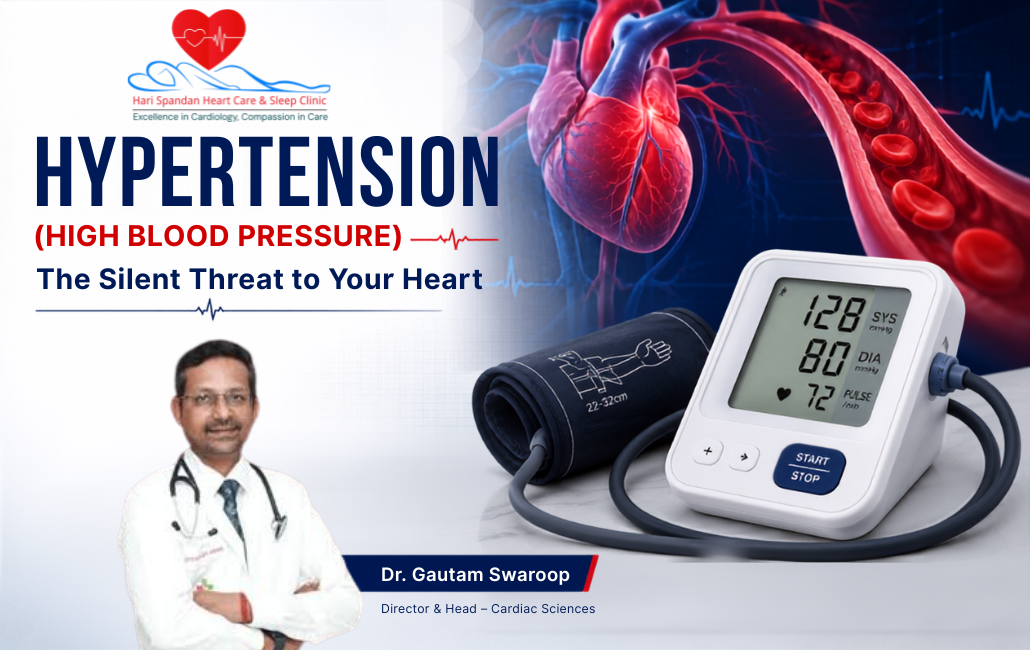
Blood pressure is measured using two numbers and expressed in millimetres of mercury (mmHg). For example: 120/80 mmHg. The first number represents systolic blood pressure, while the second number represents diastolic blood pressure.
- Systolic Blood Pressure: Systolic pressure is the upper number in your blood pressure reading. It measures the pressure inside your arteries when the heart contracts and pumps blood throughout the body.
- Diastolic Blood Pressure: Diastolic pressure is the lower number. It measures the pressure inside your arteries when the heart relaxes between heartbeats.
Both numbers are important when evaluating your cardiovascular health. A single elevated blood pressure reading does not necessarily mean you have hypertension. Doctors generally evaluate repeated blood pressure measurements before confirming a diagnosis.
What Causes Hypertension?
Hypertension can develop due to several factors. In many patients, there is no single identifiable cause. Instead, high blood pressure develops gradually because of a combination of genetics, ageing, lifestyle habits, diet, and environmental factors. Common factors associated with hypertension include:
- Family history of high blood pressure
- Increasing age
- Excessive salt consumption
- Being overweight or obese
- Physical inactivity
- Smoking or tobacco use
- Excessive alcohol consumption
- Chronic stress
- Poor sleep
- Diabetes
- High cholesterol
- Kidney disease
- Certain hormonal disorders
- Some medications
Understanding the underlying factors contributing to high blood pressure can help doctors develop an appropriate treatment and management plan.
Types of Hypertension
Doctors generally classify hypertension into two major categories.
1. Primary Hypertension
Primary hypertension, also known as essential hypertension, is the most common type of high blood pressure. It usually develops gradually over several years. There is often no single identifiable cause. Instead, several factors may contribute to its development, including: genetics, ageing, obesity, high-salt diet, physical inactivity, stress, and unhealthy lifestyle habits.
Primary hypertension usually requires long-term management through lifestyle modifications and, when necessary, medication.
2. Secondary Hypertension
Secondary hypertension occurs because of an underlying medical condition or another identifiable cause. Possible causes include: kidney disease, thyroid disorders, adrenal gland disorders, obstructive sleep apnoea, certain congenital heart conditions, some medications, and hormonal disorders.
Secondary hypertension may appear suddenly and sometimes cause significantly higher blood pressure levels. Treating the underlying medical condition may help improve blood pressure control.
What Are the Symptoms of High Blood Pressure?
One of the most dangerous characteristics of hypertension is that it often causes no obvious symptoms. A person can have high blood pressure for several years without realising it. Meanwhile, uncontrolled hypertension may gradually damage the heart, arteries, kidneys, and brain.
When blood pressure becomes severely elevated, some individuals may experience symptoms such as:
- Headache
- Dizziness
- Blurred vision
- Shortness of breath
- Chest discomfort
- Palpitations
- Fatigue
- Nosebleeds
However, these symptoms are not specific to hypertension. Therefore, checking your blood pressure regularly is the most reliable way to detect the condition. You should not wait for symptoms before getting your blood pressure checked.
Risk Factors for Hypertension
Several factors can increase your likelihood of developing high blood pressure.
- Increasing Age: The risk of hypertension generally increases with age because blood vessels may gradually become less flexible.
- Family History: People with parents or close relatives who have hypertension may have an increased risk of developing the condition.
- Being Overweight or Obese: Excess body weight increases the amount of blood required to supply oxygen and nutrients to the body. Consequently, the heart may need to work harder.
- High-Salt Diet: Excessive sodium consumption can contribute to fluid retention and increased blood pressure in susceptible individuals.
- Physical Inactivity: Lack of regular physical activity can contribute to weight gain and poor cardiovascular health.
- Smoking and Tobacco Use: Tobacco can damage blood vessels and temporarily increase blood pressure and heart rate.
- Excessive Alcohol Consumption: Regular excessive alcohol intake can contribute to increased blood pressure.
- Chronic Stress: Long-term stress may indirectly contribute to hypertension through unhealthy eating habits, poor sleep, smoking, or excessive alcohol consumption.
- Diabetes and High Cholesterol: People with diabetes or abnormal cholesterol levels often have an increased risk of cardiovascular disease and hypertension-related complications.
How Is Hypertension Diagnosed?
Diagnosing hypertension begins with accurate blood pressure measurement. Your doctor may measure your blood pressure during several appointments before confirming the diagnosis.
This is important because blood pressure can temporarily increase because of stress, anxiety, physical activity, caffeine consumption, smoking, or lack of sleep. Some patients also experience “white coat hypertension,” where blood pressure becomes elevated in a clinical environment but remains normal at home. Therefore, doctors may recommend home blood pressure monitoring or ambulatory blood pressure monitoring for a more accurate assessment.
What Tests May Be Recommended?
After diagnosing hypertension, your doctor may recommend additional investigations to evaluate your overall cardiovascular health and check for possible organ damage.
- Blood Tests: Blood tests may evaluate blood sugar levels, cholesterol levels, kidney function, electrolytes, and thyroid function.
- Urine Tests: Urine testing can help identify possible kidney problems or other underlying conditions.
- ECG (Electrocardiogram): An ECG records the electrical activity of the heart. It may help identify abnormal heart rhythms, previous heart damage, or signs that high blood pressure has placed additional strain on the heart.
- Echocardiogram (2D Echo): An echocardiogram uses ultrasound to evaluate the structure and pumping function of the heart. Long-term uncontrolled hypertension can cause thickening of the heart muscle, which may be detected through an echocardiogram.
- Additional Investigations: Depending on your symptoms and medical history, your cardiologist may recommend additional tests.
Why Is Uncontrolled Hypertension Dangerous?
High blood pressure forces the heart to work harder to circulate blood throughout the body. At the same time, increased pressure can gradually damage the inner walls of the arteries.
Over several years, this damage can contribute to narrowing of the arteries, plaque formation, reduced blood flow, increased strain on the heart, and damage to vital organs. Because these changes may occur gradually without noticeable symptoms, uncontrolled hypertension can remain undetected until a serious complication develops. Therefore, regular monitoring and appropriate treatment are essential.
Complications of High Blood Pressure
Untreated or poorly controlled hypertension can lead to several serious medical complications.
- Heart Attack: High blood pressure can damage arteries and contribute to the development of coronary artery disease. If blood flow to part of the heart becomes blocked, a heart attack may occur.
- Stroke: Hypertension is an important risk factor for stroke. Persistently elevated blood pressure can damage blood vessels supplying the brain.
- Heart Failure: When the heart repeatedly works against increased pressure, the heart muscle may become thicker and less efficient. Eventually, the heart may struggle to pump enough blood to meet the body’s needs.
- Kidney Damage: The kidneys contain delicate blood vessels that help filter waste products from the blood. Uncontrolled hypertension can damage these blood vessels and affect kidney function.
- Vision Problems: High blood pressure can damage the small blood vessels in the eyes.
- Peripheral Artery Disease: Hypertension can contribute to narrowing and damage of blood vessels supplying the arms and legs.
- Cognitive Problems: Long-term damage to blood vessels supplying the brain may increase the risk of cognitive impairment in some individuals.
How Is Hypertension Treated?
The primary goal of hypertension treatment is to lower blood pressure and reduce the risk of cardiovascular and organ-related complications. Treatment depends on several factors, including your blood pressure levels, age, overall health, existing medical conditions, cardiovascular risk factors, and response to previous treatments.
Hypertension treatment generally involves two major approaches: lifestyle modifications and blood pressure medications (when prescribed). For many patients, the most effective treatment involves a combination of both approaches.
Lifestyle Changes to Control Blood Pressure
Healthy lifestyle modifications play an important role in preventing and managing hypertension.
- Reduce Salt Consumption: Excessive sodium intake may contribute to increased blood pressure. Reducing processed foods, packaged snacks, pickles, papads, and excessive added salt may help improve blood pressure control.
- Eat a Heart-Healthy Diet: Include more vegetables, fruits, whole grains, pulses, nuts, seeds, low-fat dairy products, and healthy protein sources. Limit excessive consumption of processed foods, sugary beverages, and foods high in saturated and trans fats.
- Exercise Regularly: Regular physical activity can strengthen the heart and support healthy blood pressure levels. Activities may include brisk walking, cycling, swimming, jogging, or other doctor-approved exercises. Speak with your doctor before beginning a new exercise programme, particularly if you have existing heart disease or other medical conditions.
- Maintain a Healthy Weight: Losing excess body weight can significantly improve cardiovascular health and may help reduce blood pressure.
- Stop Smoking: Smoking damages blood vessels and significantly increases cardiovascular risk. Quitting tobacco is one of the most important steps you can take to protect your heart.
- Limit Alcohol Consumption: Excessive alcohol intake may increase blood pressure and interfere with certain medications.
- Manage Stress: Stress management techniques may include meditation, deep breathing exercises, yoga, regular physical activity, and maintaining healthy social connections.
- Get Adequate Sleep: Poor-quality sleep and certain sleep disorders may contribute to cardiovascular problems. Aim to maintain a consistent and healthy sleep schedule.
Medications Used for Hypertension
When lifestyle modifications alone are not sufficient, doctors may prescribe medications to control blood pressure. Common categories of hypertension medications include:
- ACE inhibitors
- Angiotensin receptor blockers (ARBs)
- Calcium channel blockers
- Diuretics
- Beta-blockers
- Other antihypertensive medications
The appropriate medication depends on your age, medical history, blood pressure levels, and other health conditions. Some patients may require more than one medication to achieve adequate blood pressure control. Importantly, never stop taking prescribed blood pressure medication without consulting your doctor. Blood pressure may increase again if medication is suddenly discontinued.
How to Monitor Blood Pressure at Home
Home blood pressure monitoring can help you and your doctor understand how well your blood pressure is controlled. For more accurate readings:
- Sit quietly for approximately five minutes before measurement.
- Keep your feet flat on the floor.
- Support your back.
- Keep your arm supported at approximately heart level.
- Avoid exercise, caffeine, and smoking immediately before measurement.
- Use an appropriately sized blood pressure cuff.
- Take measurements according to your doctor’s recommendations.
- Maintain a record of your readings.
Avoid becoming overly concerned about a single abnormal reading. Blood pressure naturally fluctuates. Instead, discuss consistently elevated readings with your doctor.
When Should You See a Cardiologist?
You should consider consulting a cardiologist or qualified healthcare professional if:
- Your blood pressure remains consistently elevated.
- You have difficulty controlling your blood pressure despite treatment.
- You have diabetes or high cholesterol.
- You have a family history of premature heart disease.
- You experience chest pain or discomfort.
- You develop unexplained shortness of breath.
- You experience frequent palpitations.
- You have dizziness or fainting episodes.
- You have existing heart or kidney disease.
Early medical evaluation can help identify cardiovascular risk factors and prevent serious complications.
Frequently Asked Questions
1. What is hypertension?
Hypertension, or high blood pressure, is a condition in which blood pressure against the walls of the arteries remains consistently elevated.
2. Why is hypertension called a silent killer?
Hypertension is called a silent killer because it may cause no noticeable symptoms while gradually damaging the heart, blood vessels, kidneys, brain, and other organs.
3. What causes high blood pressure?
High blood pressure may develop because of genetics, ageing, obesity, excessive salt intake, physical inactivity, stress, smoking, certain medical conditions, and other factors.
4. Can young adults develop hypertension?
Yes. Although the risk increases with age, younger adults can also develop hypertension, particularly if they have obesity, diabetes, unhealthy lifestyle habits, chronic stress, or a family history of high blood pressure.
5. Can hypertension be cured?
Primary hypertension is generally considered a long-term condition that requires ongoing management. However, healthy lifestyle modifications and appropriate medications can effectively control blood pressure and significantly reduce the risk of complications.
6. Can stress cause high blood pressure?
Stress can temporarily increase blood pressure. Chronic stress may also contribute indirectly to hypertension through unhealthy habits such as overeating, poor sleep, smoking, and excessive alcohol consumption.
7. Does eating too much salt increase blood pressure?
Excessive sodium intake can contribute to elevated blood pressure, particularly in salt-sensitive individuals. Reducing excessive salt and processed food consumption may help improve blood pressure control.
8. Can exercise reduce high blood pressure?
Regular physical activity can support cardiovascular health and help control blood pressure. However, people with severe hypertension or existing cardiovascular conditions should consult their doctor before starting a new exercise programme.
9. Should I stop blood pressure medication when my readings become normal?
No. Normal blood pressure readings may indicate that your medication and lifestyle changes are working. Stopping medication without medical supervision can cause blood pressure to increase again. Always consult your doctor before changing or discontinuing medication.
10. Can hypertension cause a heart attack?
Yes. Long-term uncontrolled hypertension can damage arteries and increase the risk of coronary artery disease and heart attack.
11. Can high blood pressure cause a stroke?
Yes. Hypertension is an important risk factor for stroke because it can damage blood vessels supplying the brain.
12. How often should I check my blood pressure?
The appropriate frequency depends on your age, cardiovascular risk factors, and medical history. People diagnosed with hypertension may need more frequent monitoring according to their doctor’s recommendations.
13. Can hypertension damage the kidneys?
Yes. Uncontrolled high blood pressure can damage the small blood vessels in the kidneys and gradually affect kidney function.
14. Is hypertension hereditary?
Genetics can influence the risk of developing hypertension. People with a family history of high blood pressure may have an increased risk, particularly when combined with unhealthy lifestyle factors.
15. When is high blood pressure an emergency?
Severely elevated blood pressure accompanied by symptoms such as chest pain, severe shortness of breath, weakness, confusion, vision changes, or other concerning symptoms requires immediate medical evaluation.
Key Takeaways
- Hypertension is a condition in which blood pressure remains consistently elevated.
- High blood pressure often causes no obvious symptoms, which is why regular monitoring is important.
- Uncontrolled hypertension can increase the risk of heart attack, stroke, heart failure, kidney disease, and other serious complications.
- Common risk factors include increasing age, family history, obesity, high salt intake, physical inactivity, smoking, diabetes, and high cholesterol.
- Hypertension can often be effectively controlled through lifestyle modifications and appropriate medications.
- Regular blood pressure monitoring and medical follow-up are essential for long-term cardiovascular health.
- Never stop prescribed blood pressure medication without consulting your doctor.
Conclusion
Hypertension is common, but it should never be ignored. Because high blood pressure can remain unnoticed for several years, regular monitoring is one of the simplest and most effective ways to protect your cardiovascular health.
The good news is that hypertension can often be effectively managed. Healthy eating, regular physical activity, maintaining an appropriate body weight, reducing excessive salt consumption, avoiding tobacco, managing stress, taking prescribed medications correctly, and attending regular medical check-ups can significantly reduce the risk of serious complications.
Perhaps you have recently received an elevated blood pressure reading. Alternatively, you may already be taking medication for hypertension or have additional cardiovascular risk factors such as diabetes, high cholesterol, or a family history of heart disease. Regardless of your situation, timely medical evaluation and consistent blood pressure management can make a significant difference to your long-term health.
Do not wait for symptoms to appear. Know your blood pressure, understand your cardiovascular risk, and take appropriate steps to protect your heart.
Book Your Appointment Now
Are you concerned about high blood pressure or finding it difficult to keep your blood pressure under control? Schedule a comprehensive cardiovascular evaluation at Harispandan Clinic.
Our medical team can assess your blood pressure, evaluate cardiovascular risk factors, recommend appropriate investigations, and develop a personalised treatment and management plan based on your individual health needs. Book your appointment today and take an important step toward better blood pressure control and long-term heart health.
Medical Disclaimer: This article is intended for educational and informational purposes only and does not replace professional medical advice, diagnosis, or treatment. Always consult a qualified healthcare professional regarding any medical condition or before making changes to your medication or treatment plan. If you experience severe chest pain, significant breathing difficulty, sudden weakness, confusion, or other symptoms of a medical emergency, seek immediate medical care.