When Your Heart Gets Tired: Recognizing the Hidden Signs of Congestive Heart Failure
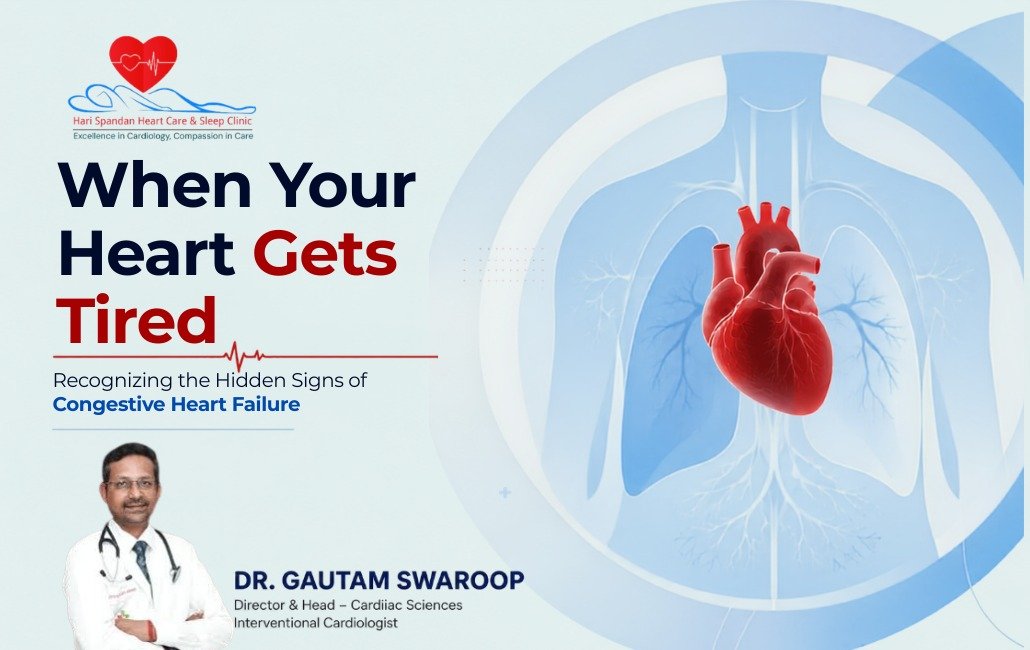
Quick Answer: What Are the Symptoms of Congestive Heart Failure?
The most common congestive heart failure symptoms include severe shortness of breath (especially when lying down or exercising), chronic fatigue, and noticeable swelling (edema) in the legs, ankles, and feet. Because the heart struggles to pump blood efficiently, fluid backs up into the lungs and lower extremities. This dangerous fluid retention causes rapid weight gain and a persistent, wheezing cough. If you experience these warning signs, you need immediate evaluation from a qualified cardiologist to prevent permanent cardiovascular damage.
Introduction: Decoding a Terrifying Diagnosis
The medical term “heart failure” sounds terrifying to most patients. People often imagine a heart that has completely stopped beating or a sudden, fatal cardiac arrest. Fortunately, that terrifying image does not accurately reflect what the diagnosis actually means.
Congestive heart failure (CHF) simply means your heart acts like a tired, inefficient pump. The muscle still works and continues beating every single minute. However, it no longer pumps blood strongly enough to meet your body’s daily demand for essential oxygen and nutrients. Because this degenerative process usually develops gradually over several years, patients find the early warning signs incredibly easy to dismiss. Many people blame their declining stamina on “just getting older” or “being out of shape.”
At Harispandan Clinic, we want to completely change how patients view these critical early warning signs. By learning to listen to your body closely, you can catch a weakened heart in its early, highly manageable stages. We created this comprehensive medical guide to help you decode the exact heart failure symptoms you should never ignore.
Table of Contents
- The “Big Three” Symptoms of Heart Failure
- Other Warning Signs You Shouldn’t Ignore
- Left-Sided vs. Right-Sided Heart Failure
- Normal Aging vs. Heart Failure Symptoms
- How Cardiologists Diagnose a Weak Heart
- Living With and Treating the Condition
- Red Flag Symptoms: When It Is an Emergency
- Frequently Asked Questions
- Expert Care at Harispandan Clinic
The “Big Three” Symptoms of Heart Failure
If your heart muscle begins losing its primary pumping power, the deficit usually manifests in three distinct, undeniable ways. Cardiologists look for these classic indicators during every clinical exam.
1. Shortness of Breath (Dyspnea)
This feeling goes far beyond normal panting after a heavy gym workout. Patients suffering from a weakened heart experience severe breathlessness during basic, everyday activities. You might gasp for air while walking down the driveway, getting dressed in the morning, or climbing a single flight of stairs. Dyspnea occurs because fluid literally backs up into your delicate lung tissues.
Doctors also watch closely for a specific condition called orthopnea. This classic sign of heart trouble means you feel suffocated when you lie perfectly flat in bed. Patients often find themselves stacking three or four pillows behind their head just to sleep comfortably. Some people even wake up suddenly in the middle of the night gasping for air, a terrifying event known medically as paroxysmal nocturnal dyspnea.
2. Swelling and Fluid Retention (Edema)
When the heart’s pumping action grows weak, returning blood backs up into the veins. The increasing pressure forces clear fluid out of your blood vessels and deep into the surrounding tissues. Medical professionals call this fluid buildup edema.
You will usually notice this tissue swelling first in your feet, ankles, and lower legs. Gravity pulls the excess fluid downward, making the swelling much worse at the end of a long day. As the disease progresses without proper medical treatment, the swelling may move upward into your abdomen, causing severe bloating and digestive discomfort.
3. Chronic Fatigue and Weakness
Your body operates as a highly intelligent survival machine. When a failing heart cannot pump enough oxygen-rich blood to meet total body energy needs, the brain makes a drastic choice. The body actively diverts blood away from less crucial areas, like the muscles in your arms and legs, to guarantee a steady supply to your brain and vital organs.
This protective blood diversion leaves you feeling profoundly exhausted and physically weak. Patients frequently report an inability to perform normal daily tasks without needing frequent, extended rests. Your limbs might feel incredibly heavy, as if you are walking through deep mud.
Other Warning Signs You Shouldn’t Ignore
While the big three indicators dominate the clinical picture, your body sends several other distress signals when your cardiovascular system struggles to keep pace.
Rapid, Unexplained Weight Gain
Because of severe internal fluid retention, patients often experience sudden weight fluctuations. You might step on the scale and discover you gained two to three kilograms (four to five pounds) in just a few days. This added weight does not represent new body fat; it represents dangerous water weight accumulating around your organs.
Persistent Cough or Wheezing
Many patients mistake this symptom for a lingering winter cold or seasonal allergies. However, a persistent cough that produces white or pink, blood-tinged mucus indicates that fluid is actively leaking into your lungs. Doctors sometimes refer to this specific symptom as cardiac asthma.
Rapid or Irregular Heartbeat (Palpitations)
A struggling heart attempts to compensate for its weakened pumping strength by beating much faster. It tries to maintain a normal blood volume output by increasing the overall speed. You might feel a sudden racing, fluttering, or pounding sensation in your chest, even while resting quietly in a chair.
Loss of Appetite or Nausea
Severe fluid buildup eventually surrounds your liver and your digestive organs. This internal pressure makes you feel uncomfortably full very quickly after eating small amounts of food. Many patients experience persistent nausea or a complete loss of their normal appetite.
Confusion or Impaired Thinking
Your brain requires a massive, uninterrupted supply of highly oxygenated blood to function properly. Reduced blood flow to the brain causes noticeable memory loss, mild confusion, or a general feeling of disorientation. Family members often notice these cognitive changes before the patient does.
Left-Sided vs. Right-Sided Heart Failure
To understand why these specific symptoms occur, you must think of your cardiovascular system as a closed plumbing loop. The heart has two distinct sides, and they can fail independently or together.
Left-Sided Heart Failure: The left ventricle represents your heart’s main pumping chamber. If the left side loses its power, blood backs up into the pulmonary veins carrying oxygen-rich blood away from the lungs. The increased pressure forces fluid to leak directly into the lung tissue. This malfunction directly causes your severe shortness of breath and persistent coughing.
Right-Sided Heart Failure: The right ventricle pumps depleted blood toward the lungs to collect fresh oxygen. If the right side loses power, blood backs up into the veins returning from the rest of your body. This systemic pressure pushes fluid into your body tissues, directly causing the heavy swelling in your legs, ankles, and abdomen.
Normal Aging vs. Heart Failure Symptoms
Patients frequently blame early cardiac symptoms on the natural aging process. Distinguishing between normal deconditioning and a true medical crisis saves lives. We created this comparison to clarify the critical differences.
| Physical Symptom | Normal Aging / Deconditioning | Potential Congestive Heart Failure |
|---|---|---|
| Breathlessness | Occurs after strenuous or unaccustomed heavy exercise. | Occurs after mild tasks (showering) or while lying perfectly flat in bed. |
| Fatigue | Feeling appropriately tired at the end of a long, busy day. | Waking up exhausted; limbs feel incredibly heavy right out of bed. |
| Swelling | Experiencing mild ankle swelling after standing for 8 straight hours. | Developing pitting edema (pressing the skin leaves a deep indent) that never resolves easily. |
| Weight Changes | Noticing gradual body composition changes over several months or years. | Gaining a kilogram or more overnight due entirely to trapped fluid. |
How Cardiologists Diagnose a Weak Heart
Proper diagnosis requires advanced medical imaging and blood analysis. When you visit a specialist, they will run several painless tests to evaluate your exact cardiac function.
The most important diagnostic tool remains the Echocardiogram (2D Echo). This painless ultrasound uses sound waves to create a detailed moving picture of your beating heart. The cardiologist uses this image to measure your Ejection Fraction. This crucial number represents the exact percentage of blood your left ventricle pumps out with every single contraction. A healthy ejection fraction falls between 50% and 70%. Anything significantly lower indicates a weakened heart muscle.
Doctors also utilize blood tests to check for a specific protein called B-type natriuretic peptide (BNP). Your heart releases high levels of BNP into your bloodstream when the muscle fibers stretch abnormally. High BNP levels strongly confirm a heart failure diagnosis.
Living With and Treating the Condition
While modern medicine cannot completely cure most types of heart failure, we can treat it highly effectively. Patients can live long, active lives by following a strict, customized management plan.
Cardiologists prescribe powerful medications to reduce the heart’s massive workload. Diuretics (water pills) force your kidneys to flush excess fluid and sodium out through your urine, immediately relieving swelling and lung congestion. Other vital medications, such as ACE inhibitors and beta-blockers, relax tight blood vessels and slow a dangerously rapid heart rate.
Dietary changes play an equally massive role in your recovery. You must strictly limit your daily sodium intake. High salt consumption forces your body to retain extra water, instantly worsening all your cardiac symptoms. Your doctor will likely restrict your daily fluid intake and ask you to weigh yourself every single morning to monitor hidden fluid buildup.
Red Flag Symptoms: When It Is an Emergency
While doctors manage chronic heart conditions over many years, sudden changes indicate a life-threatening crisis known as acute decompensated heart failure. You must seek immediate emergency medical care if you experience any of the following events:
- Sudden, severe shortness of breath accompanied by coughing up pink, foamy mucus.
- New chest pain, heavy pressure, or a squeezing sensation that radiates aggressively to your neck or left arm.
- Sudden fainting spells or extreme, paralyzing weakness.
- A resting heart rate that suddenly turns very fast and highly irregular, causing dizziness.
Frequently Asked Questions
- 1. Can you completely cure congestive heart failure?
- Medical science generally views this as a chronic condition with no complete cure. However, combining the right modern medications, strict lifestyle changes, and sometimes surgical devices (like pacemakers) helps patients reverse many symptoms and live highly active lives.
- 2. Why do I need to weigh myself every single day?
- Sudden weight gain provides the earliest and most reliable warning that your body has started retaining fluid. Catching a sudden two-pound weight increase often signals an upcoming heart failure flare-up before you even feel breathless.
- 3. Is exercise safe if my heart is failing?
- Yes, under strict medical supervision. Cardiac rehabilitation programs offer safe, structured exercise routines that actually help strengthen your remaining heart muscle and drastically improve your daily stamina.
Expert Care at Harispandan Clinic
If you find yourself waking up breathless, struggling to put your shoes on due to deep swelling, or feeling a level of physical exhaustion that sleep cannot fix, your heart may be crying out for help. Recognizing these congestive heart failure symptoms represents your first vital step toward recovery.
Do not ignore these critical warning signs. Contact Harispandan Heart Caare & Sleep Clinic today to schedule your comprehensive cardiovascular evaluation and take control of your future health.
This article provides educational information only and never replaces professional medical consultation, clinical diagnosis, or prescribed treatment. If you experience severe chest pain or sudden, severe shortness of breath, call emergency medical services immediately.